


SERVICES:
Graphic Design
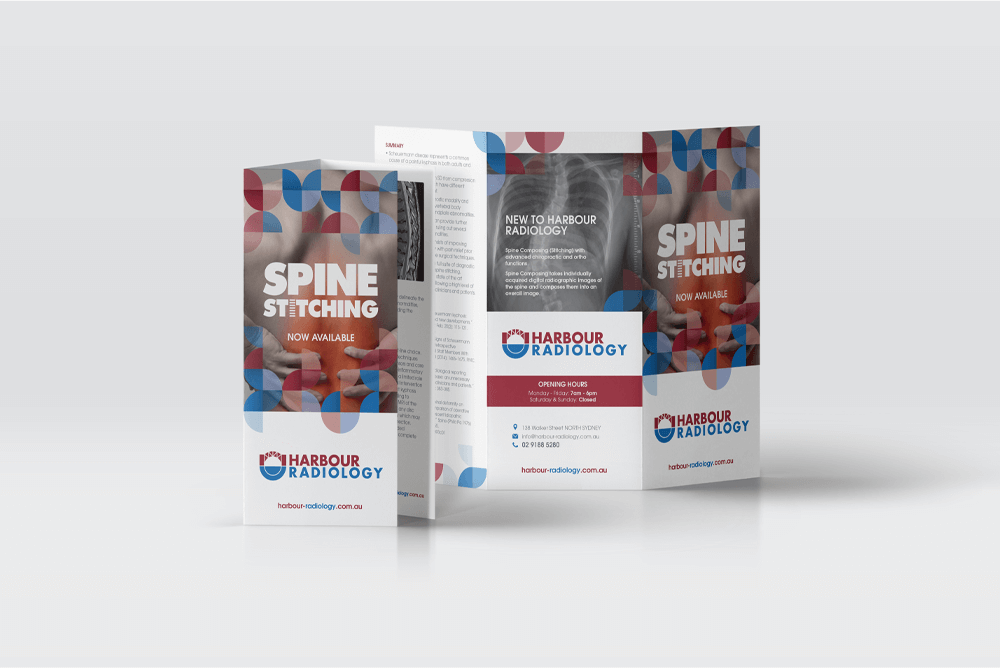
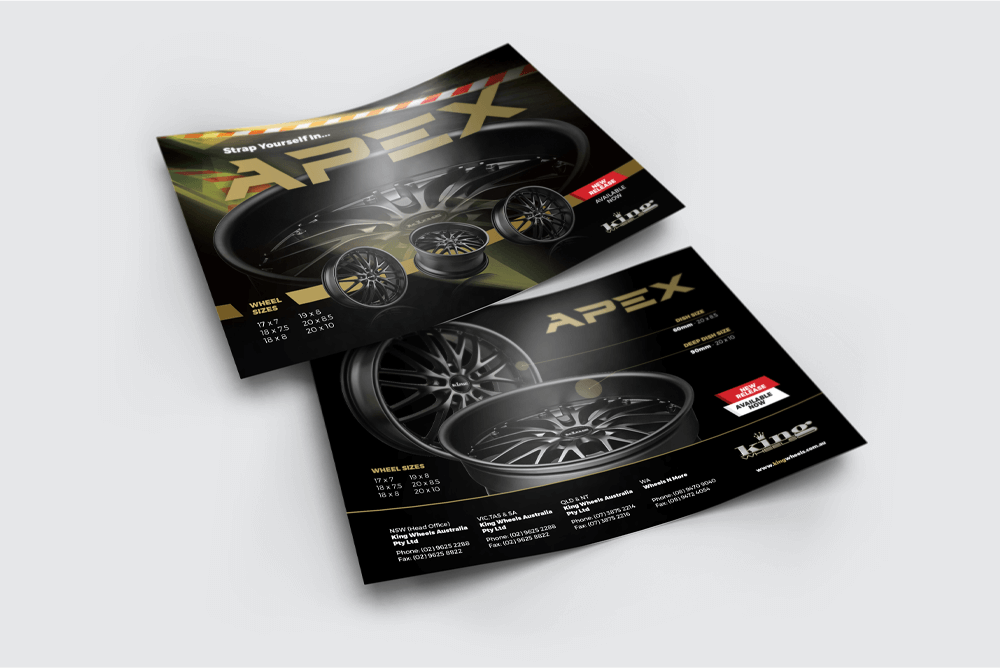
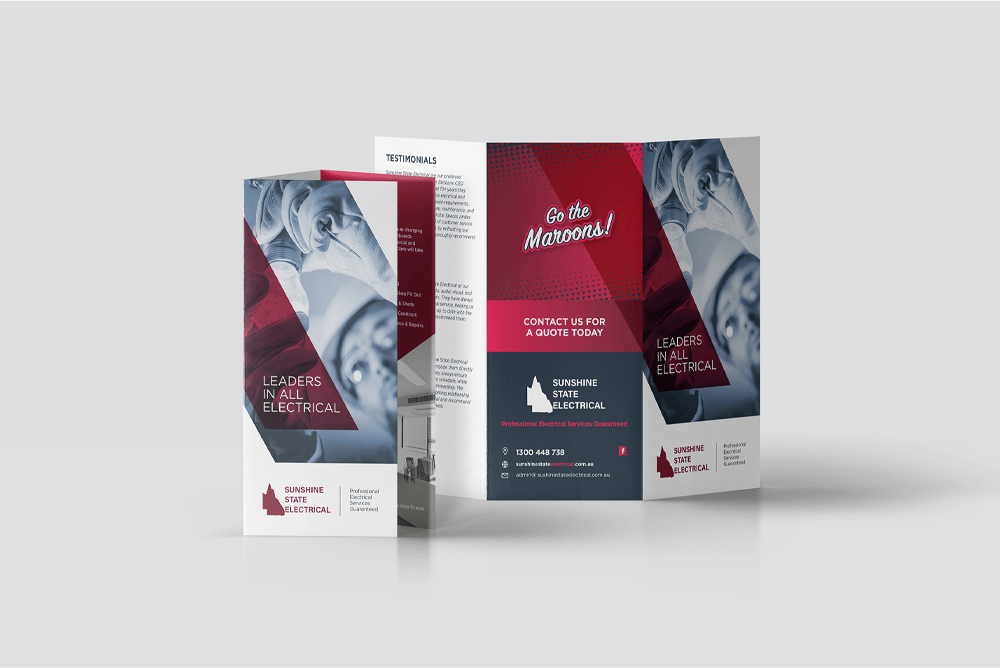
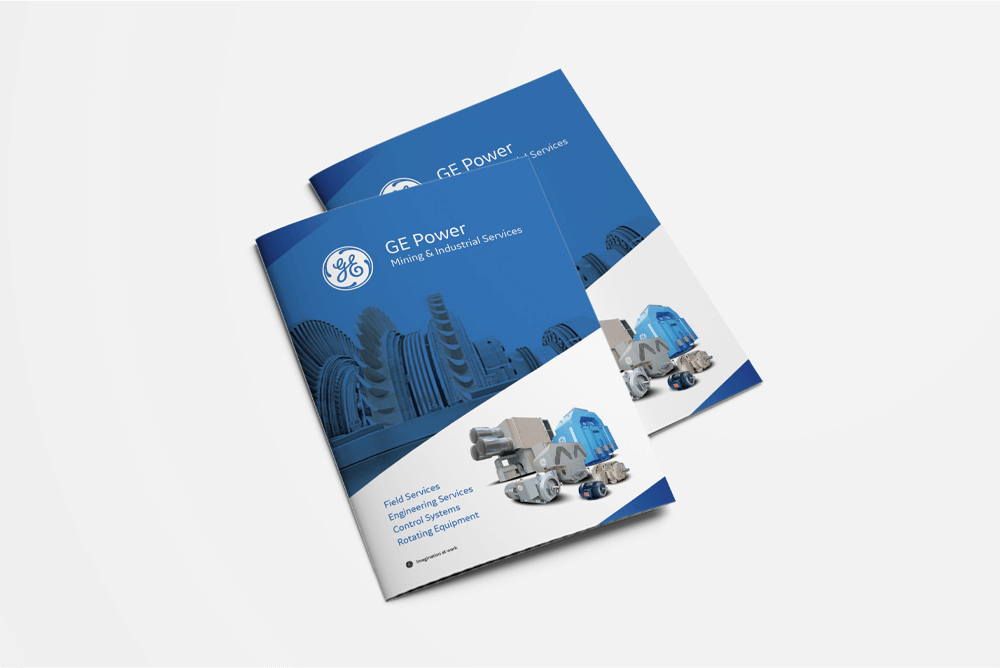
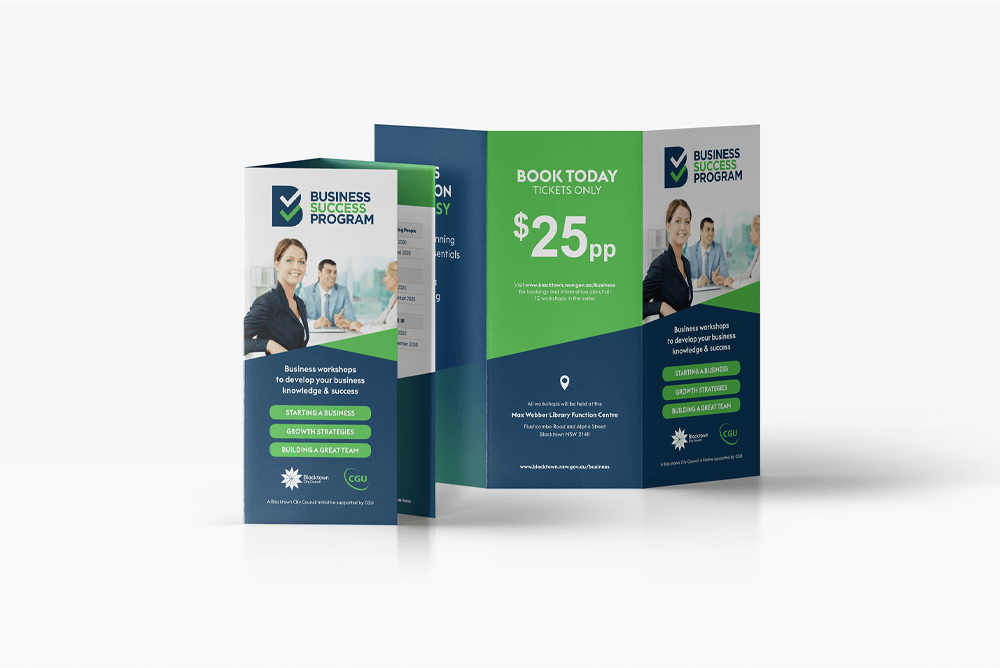
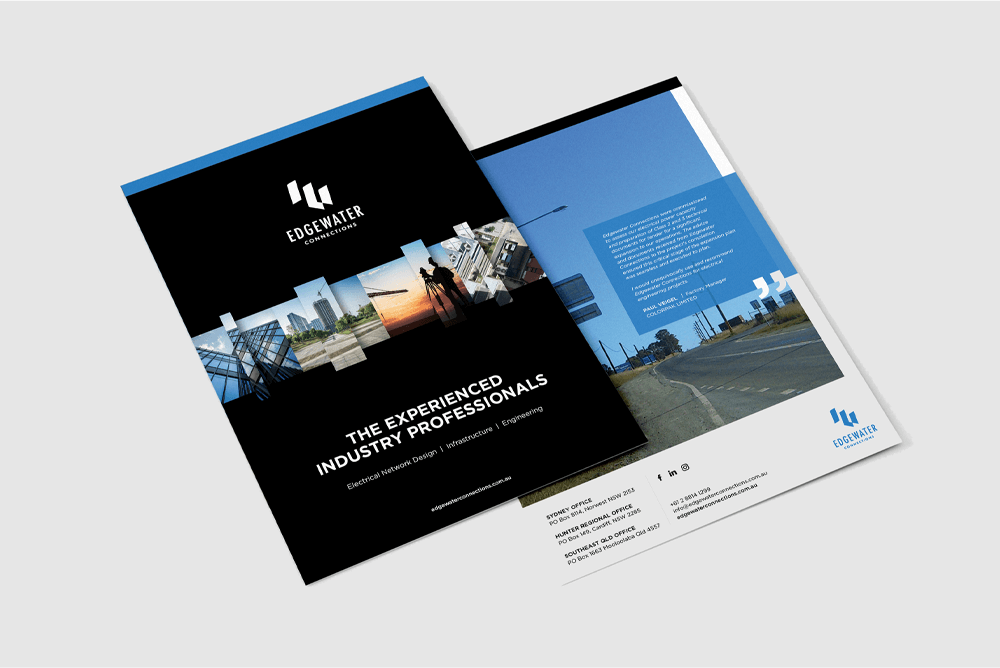
Eye-catching marketing material. From business cards, flyers and trifold colour brochures to 100+ page product catalogue design, Brisbane and Sydney business owners will see their ROI boosted

Google has released a new feature inside Search Console Insights called Query Groups. An AI-powered way to organise similar search queries into clear, meaningful topic clusters. This update gives website owners a more intuitive view of what audiences are searching for without having to sift through long, fragmented lists of individual queries.
Traditionally, Search Console displays each keyword separately, which can be helpful but overwhelming, especially for websites with a large amount of search data. Similar queries often appear scattered across the report: slight variations, different orders of words, plurals, misspellings, and related concepts. Query Groups solves this by bundling those related terms together and presenting them as unified topic clusters.
Google’s announcement explains that these groups are generated using AI and will continue to evolve over time. The goal isn’t to change ranking; it’s to give a higher-level perspective of what your audience is actually interested in. For example, a site might see individual queries like “seo optimisation,” “seo website,” “search engine optimisation,” and “best seo tips”. All grouped under a broader category such as “SEO.” This makes it easier to spot trends, declines, or growth in topic interest without manually clustering anything.
The feature appears as a new card inside Search Console Insights, but it will only show for websites with enough search volume to make grouping meaningful. Smaller sites may not see it yet, but as traffic grows, the feature will become available.
What makes Query Groups especially useful is the simplified analysis. Instead of scrolling through hundreds of keywords to identify what matters, website owners can now quickly understand which topics are driving attention. If a group shows a drop in clicks.
For example, “SEO” queries showing 9% fewer clicks, you can explore why and adjust your content strategy accordingly.
For many SEOs, this is a welcome addition. Until now, clustering queries required manual effort or third-party tools. Google’s built-in version won’t replace advanced keyword clustering platforms, but it provides a solid starting point for identifying content themes and opportunities. It’s ideal for marketers who want a clearer picture of their audience’s interests without needing complex tools.
Google also mentioned that additional documentation will be released soon, giving users more detail on how Query Groups are created, what they can expect to see, and how best to use the insights.
Query Groups offer a cleaner, more intuitive view of what your audience cares about. By understanding these clusters, you can create stronger content, improve keyword targeting, and easily spot emerging topics. It’s a major step toward simplifying SEO analysis for businesses of all sizes.
If you’d like support interpreting your search data or building a content strategy around Google’s latest features, XDesigns Advertising is here to help. Book a Call with XDesigns today and let’s turn your insights into real growth.
Read More +
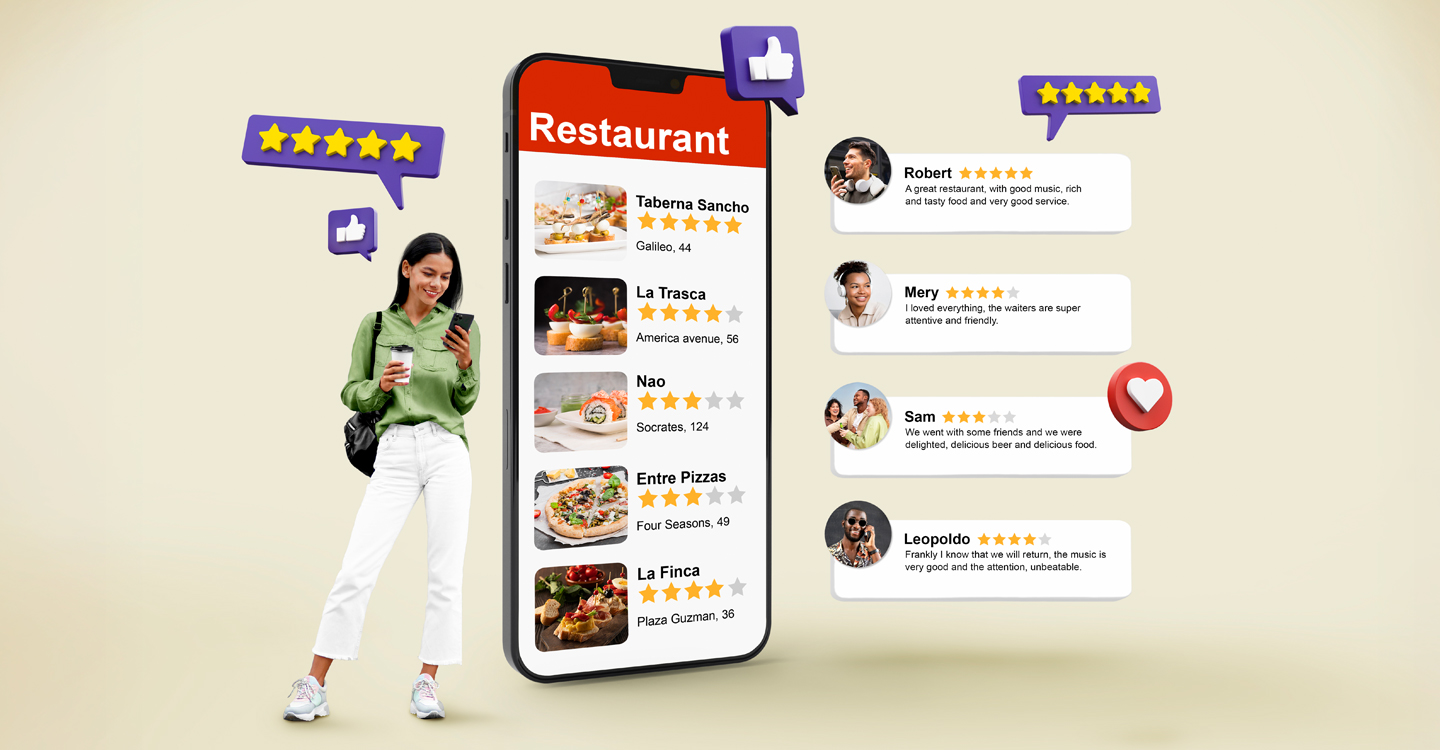
Google has introduced a new support process designed to combat a growing issue affecting thousands of businesses: review extortion scams. These scams have been increasing over the past few years, often leaving businesses feeling helpless as unearned negative reviews appear and threats follow shortly after. With this update, Google is finally providing a clearer pathway for businesses to report fraudulent behaviour and get support faster.
At the heart of the issue is a simple but damaging tactic. A business suddenly receives a wave of suspicious one-star reviews on their Google Business Profile. Soon after, scammers reach out via email, SMS, or social media demanding payment or free products in exchange for removing the reviews. Businesses used to have little recourse, often stuck waiting for Google to respond to general review flags and many requests were denied due to lack of evidence or context.
Google’s new process aims to solve this by introducing a dedicated reporting form specifically for review extortion attempts. Instead of using the general “Flag a review” option, businesses can now submit evidence directly to Google’s fraud prevention team. This evidence may include screenshots of threatening messages, timestamps, and any communication that shows an attempt at extortion. The change may seem small, but it’s a significant upgrade in how Google handles these cases.
One of the most important pieces of Google’s guidance stresses that businesses should never respond to scammers. Engaging often escalates the situation, giving scammers leverage and increasing the likelihood of repeated attacks. The safest path is to document everything, avoid communication, and submit a formal report using the new process. Google will then review the case using a mix of manual checks and automated fraud detection systems.
This update is especially meaningful for small businesses, who often rely heavily on their Google Business Profile for credibility and customer acquisition. In the past, businesses faced misinformation, review bombing, and fraudulent claims with little clarity on how to respond. With the new reporting structure, Google is acknowledging that review extortion is not just an annoyance. It’s a serious threat to online reputation and business integrity.
Another major benefit is speed. While Google hasn’t shared the exact enforcement timeline, the dedicated form is expected to streamline how cases are assessed, reducing the back-and-forth that previously slowed down the removal of fraudulent reviews. For legitimate businesses trying to protect their reputation, this clarity alone is a major improvement.
Authenticity has always been a cornerstone of online reputation. This move by Google reinforces that commitment. By recognising review extortion as a legitimate and reportable threat, businesses now have a stronger safety net and clearer guidance on how to protect themselves. As digital trust becomes more valuable, these types of protections are becoming essential.
Google’s update is a strong step towards protecting honest businesses from intimidation and fraud. Staying informed, documenting suspicious behaviour, and knowing the correct reporting process helps ensure your reputation stays in your control, not in the hands of scammers.
XDesigns can support you in keeping your Google Business Profile accurate, credible, and protected. Book a Call with XDesigns today and so we can help in managing reviews or safeguarding your brand reputation.
Read More +

If you’ve spent any time online this year, you’ve probably noticed something big… AI hasn’t just changed the internet; it has changed how people search for everything.
Where we once scrolled through pages of Google results, today we simply ask ChatGPT, Gemini or Perplexity a question and receive a clean, confident answer. No scrolling. No comparing. No clicking through a dozen websites.
And that shift has enormous implications for businesses.
While AI tools are invaluable for users, they only recommend businesses that they can clearly understand. Most websites ( even good ones), simply aren’t built for how AI now reads, summarises and interprets information.
Heading into 2026, AI-readiness has officially become a key part of online visibility. Here’s what that actually means and how businesses can prepare.
Traditional search engines ranked sites based on links, keywords and technical SEO. AI tools behave differently. They:
If a website uses vague language, has an outdated structure or lacks authority signals, AI can’t interpret it accurately, which means it simply won’t show up in AI-driven results.
In the AI era, clarity isn’t just helpful. It’s essential.
The most significant shift is how AI tools interpret meaning.
Websites that use generic, fluffy statements like:
“Empowering modern solutions for future-focused businesses”
It sounds impressive but communicate nothing. AI can’t extract meaning from abstract language — and neither can human readers.
By contrast, a simple sentence like:
“We provide bookkeeping services for tradies in Melbourne”
gives AI (and people) immediate clarity. The businesses that win in 2026 will be the ones whose websites are unmistakably clear about:
AI doesn’t skim, it scans. It looks for tidy sections, clear headings and well-organised content. Pages that read like one giant wall of text get ignored because AI can’t easily break them down.
Websites that thrive in this new landscape usually have:
A services page, for example, shouldn’t be one long explanation. Breaking it into service categories helps everyone, especially AI, understand what you offer.
More people ask AI conversational questions than ever before:
AI tools love content that directly answers these real-world questions. Websites that include answer-style content are far more likely to be featured in AI summaries.
Businesses that invest in helpful, question-led content will stand out in 2026.
AI doesn’t just look for clarity. It looks for credibility.
Websites that demonstrate trustworthiness through testimonials, case studies, photos, bios and consistent content give AI confidence that the business is legitimate.
If your site feels anonymous or outdated, AI tools become hesitant to recommend you. Trust signals matter now more than ever.
Local businesses especially need to make sure AI knows exactly where they operate. Vague statements like “serving clients across Australia” tell AI nothing.
Clear location signals – suburbs, regions, service areas help AI match your business with relevant local queries.
Interestingly, the pages AI relies on most are the ones humans enjoy too – especially the “About” page.
An About page that actually communicates:
is a massive advantage in AI-driven search. AI can’t summarise what it can’t understand. The clearer your story, the more likely you are to be recommended.
One of the best additions any business can make? A short, clear summary at the top of each page explaining what it covers. AI tools use these summaries to understand page intent quickly, improving your chances of being featured in zero-click results and AI answers.
AI tools are trained on conversational writing. They struggle with jargon-heavy, overly formal or complicated language. If you wouldn’t say it out loud, it probably won’t work well for AI. Example: “Let’s pivot!”, “Low-hanging fruit!”, “Synergy”.
Ultimately, every business should ask:
“If someone asked ChatGPT who the best provider in my industry is, does my website give AI enough clarity and confidence to mention me?”
If the answer is uncertain, there’s work to do. The good news is that it’s easier than you think.
Small changes make a huge difference. Even rewriting one unclear sentence can instantly improve how AI interprets your site.
AI is not slowing down. It’s shaping how users discover businesses, evaluate options and make decisions. The websites that thrive in 2026 will be those that:
The shift is here, however, with a few intentional updates, any business can adapt and stay competitive.
If AI is now the new gateway to being found online, your website is the front door. Make sure it’s unlocked, welcoming and impossible to misunderstand.
Find out how AI sees your website. Download the AI-Ready SEO and Website Checklist.
Read More +


